Seiko · Japan
Seiko VK64
The VK64 is manufactured by TMI (Time Module Inc.), the movement-production arm of the Seiko group, and belongs to TMI's VK meca-quartz chronograph lineup. The technology pairs a battery-driven quartz oscillator for base timekeeping with a mechanical module that operates the chronograph, giving the central seconds hand a smooth continuous sweep and a decisive snap-back reset — tactile qualities normally associated with fully mechanical calibers.
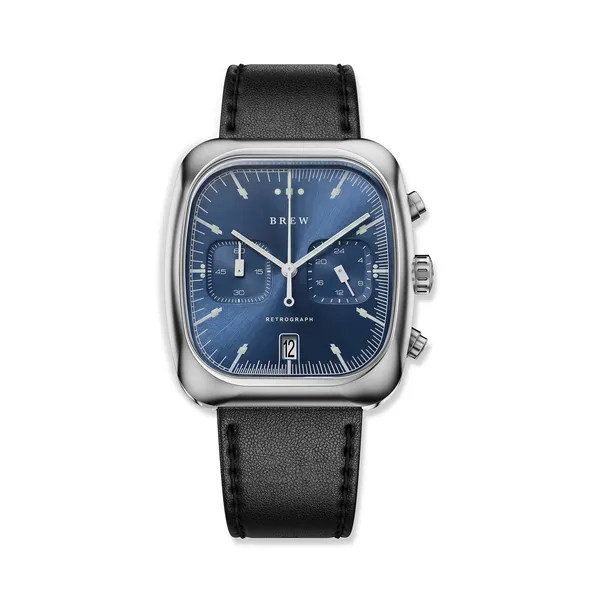
Within the VK family the VK64 is a bi-compax variant: its layout carries a central 1/5-second chronograph, a 60-minute elapsed-time counter at 9 o'clock, a 24-hour indicator subdial at 3 o'clock, and a date window at 6 o'clock. The related VK63 is listed by TMI with a central 1/5-second chronograph, minute counter, 24-hour display, small seconds, and date.
The movement's broad appeal rests on combining quartz accuracy and battery-only maintenance with an aesthetic and tactile character that reads as mechanical. It has been widely adopted by mid-range independent brands — including Charlie Paris, Tusenö, Dan Henry, and Geckota — that want a credible chronograph feel at accessible price points and without the service overhead of a fully mechanical caliber.
In catalog
Technical specification
| Manufacturer | Seiko |
| Origin | Japan |
| Type | Meca-quartz |
| Diameter | 30.8 mm |
| Height | 5.1 mm |
| Hacking seconds | — |
| Hand-winding | No |
| Date | Yes |
| GMT | No |
| Chronograph | Yes |
| Accuracy (stated) | ±20 s/month |
5 models
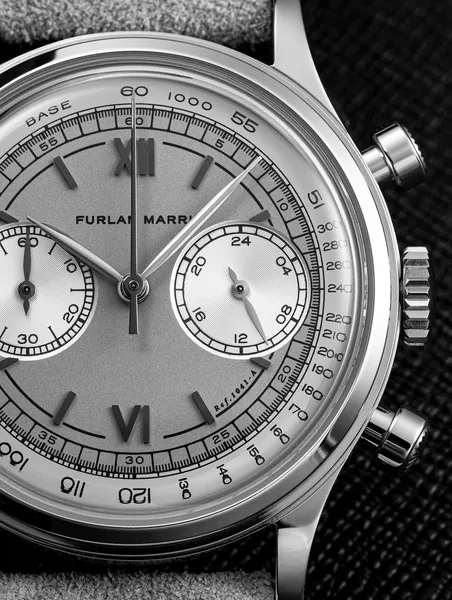
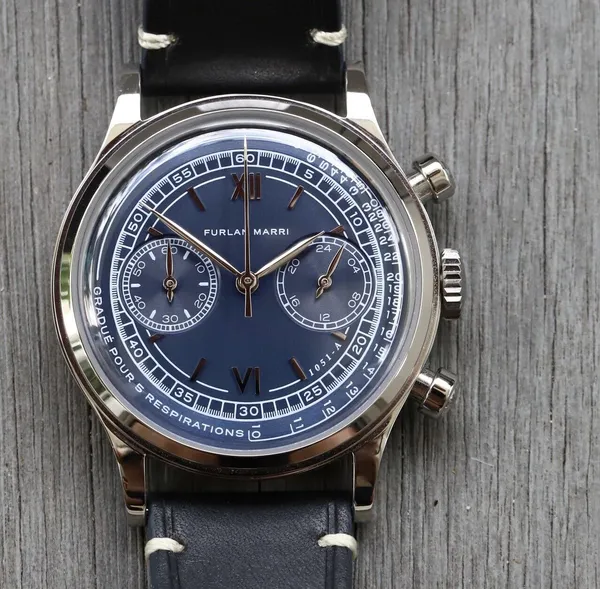
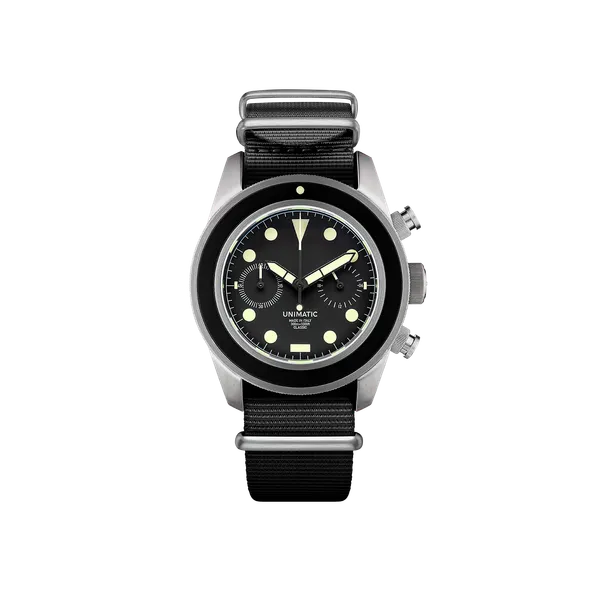
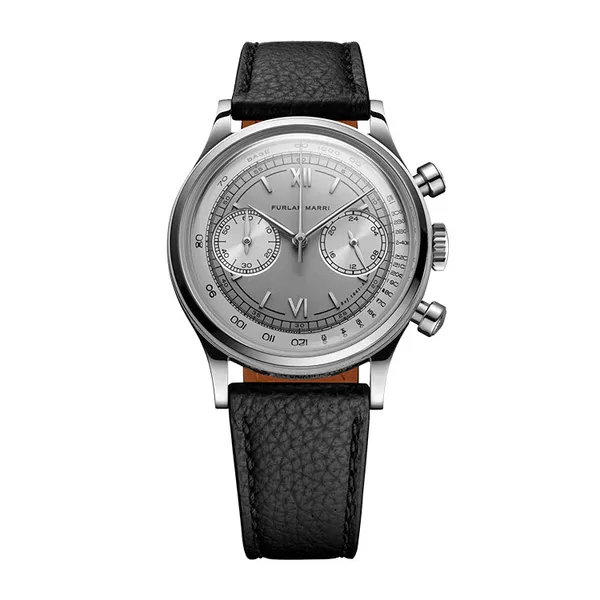
Watches with this caliber
FAQ
Is the Seiko VK64 automatic or manual?
The Seiko VK64 is a meca-quartz movement: quartz timekeeping drives a mechanical chronograph module, pairing battery accuracy with a snappy, mechanical-feeling chronograph reset.
Does the Seiko VK64 have a date function?
Yes — the Seiko VK64 can drive a date display, though whether a given watch actually shows the date depends on the dial the maker chose, so check the individual model rather than the movement.
How accurate is the Seiko VK64?
The Seiko VK64 is rated at ±20 s/month. That is typical of a quartz-regulated movement — far tighter than a standard mechanical watch, so you would only correct it a few times a year. Real-world accuracy still depends on how each watch is regulated, worn, and serviced.
Spotted something wrong? Report a correction →